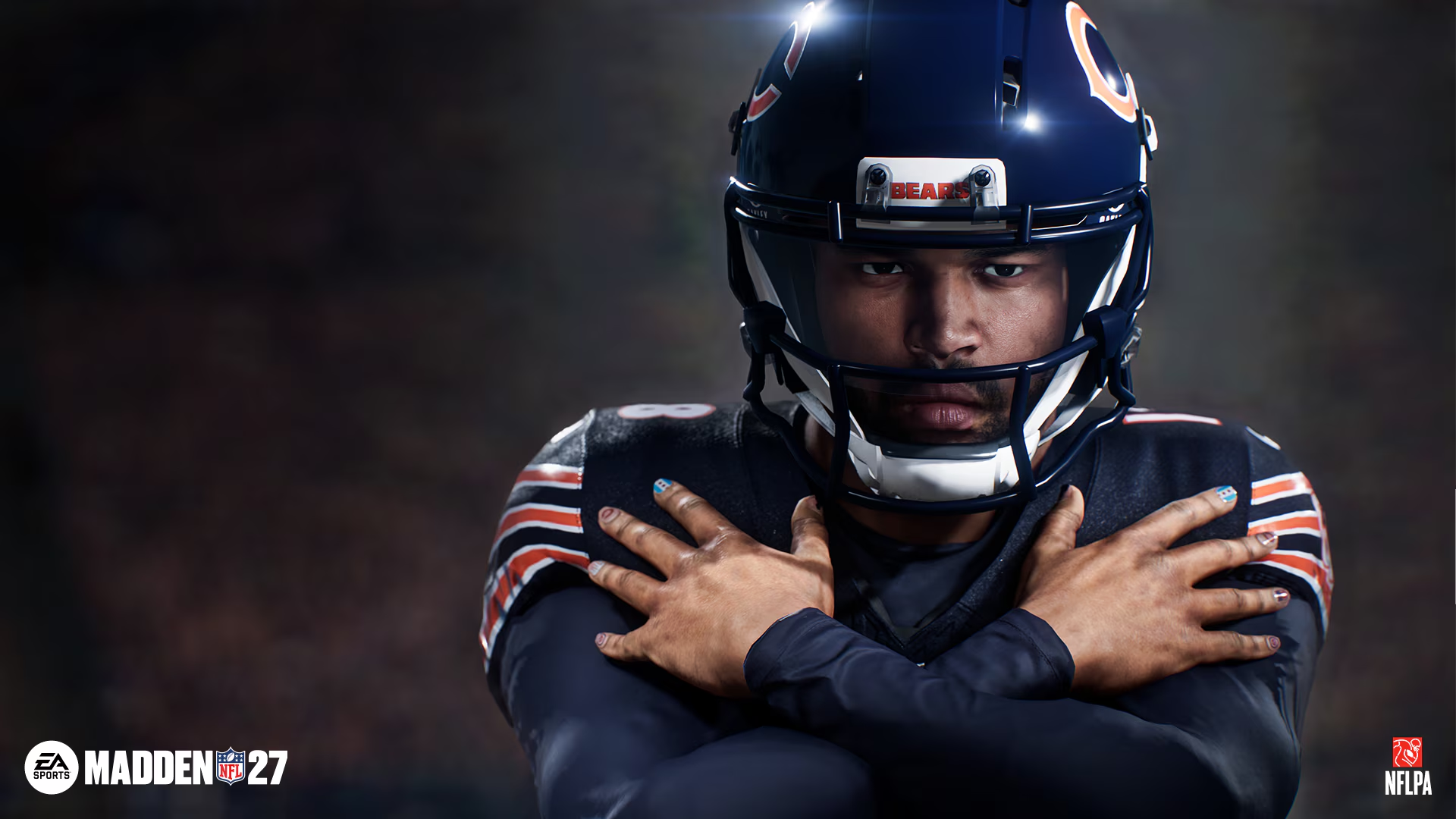
Madden NFL 27 Franchise Guide: Team Building, Contracts & Progression
Madden NFL 27 Franchise guide covering the Persona Engine, roster building, interactive contract negotiations, Free Agency, Emergent Actions, player motivations, weekly priorities and long-term team planning.
Madden NFL 27 Franchise Guide: Team Building, Contracts & Progression
Madden NFL 27 Franchise Guide: Team Building, Contracts & Progression
Madden NFL 27 significantly expands Franchise around the new Persona Engine. EA describes the mode as a more reactive league where player personalities influence motivations, negotiations and responses to team decisions.
Understand the Persona Engine
The Persona Engine gives NFL players distinct personalities that influence how they respond to the Franchise world.
This means roster decisions are not only about ratings and salary.
Consider:
- Player motivations.
- Role expectations.
- Contract interests.
- How roster moves may affect future decisions.
Build Around a Team Direction
Before making trades or signing free agents, decide whether your team is:
- Competing immediately.
- Developing young players.
- Rebuilding the roster.
- Managing around a franchise quarterback or other cornerstone player.
Without a direction, it is easy to spend resources on players who do not fit the same timeline.
Interactive Contract Negotiations
Madden NFL 27 changes negotiations with interactive systems including patience, interest-building and unexpected developments during discussions.
Do not approach every negotiation as a simple accept-or-reject screen.
Plan which players are genuine priorities before entering expensive negotiations.
Prioritize Core Players
Not every starter needs to be retained at any cost.
Identify:
- Elite players at premium positions.
- Young players with development value.
- Players who fit the scheme.
- Veterans whose contracts may block future flexibility.
Free Agency Frenzy
Madden 27 adds a more interactive Free Agency experience where simultaneous bidding can shift the market.
Prepare multiple targets instead of assuming one free agent will definitely sign.
Rank options by:
- Need.
- Age.
- Fit.
- Contract cost.
- Long-term roster impact.
Do Not Overspend Because of One Weak Position
A single expensive signing can solve one problem while creating several future cap problems.
Before committing, compare:
- Existing depth.
- Draft options.
- Cheaper free agents.
- Internal player development.
Emergent Actions
Madden 27 replaces the older weekly-flow emphasis with interactive Emergent Actions designed around prioritization and meaningful decisions.
Do not treat every weekly interaction as routine maintenance. Evaluate which action matters most for the current team situation.
Follow League Information
Madden 27 adds a persistent News Ticker and breaking-news presentation.
Use league information to track:
- Player movement.
- Major injuries or storylines.
- Competitive changes around your division.
- Free-agency developments.
Dynamic Weather
Weather can now change during games, creating additional gameplanning decisions.
A passing-heavy plan may need adjustment if conditions deteriorate, while field conditions can affect how aggressively you want to play.
Draft for Value, Not Only Immediate Need
Drafting only the biggest current roster hole can cause you to pass on a much better long-term player.
Balance:
- Current need.
- Player talent.
- Position value.
- Development opportunity.
- Contract timeline.
Develop Young Players
A young player on an affordable contract can become more valuable than a slightly better veteran with a much larger cap commitment.
Create playing time and progression opportunities for players who fit your long-term roster.
Manage Depth
Franchise success requires more than a strong starting lineup.
Build enough depth at:
- Quarterback and offensive skill positions.
- Offensive line.
- Defensive front.
- Secondary.
Injuries and player availability can expose weak depth quickly.
Use Scheme and Role Fit
A high-rated player is not automatically the best acquisition for every team.
Consider whether the player's strengths support how you actually intend to play.
Franchise Planning Cycle
- Define the team's competitive timeline.
- Identify core players.
- Review upcoming contracts.
- Prioritize weekly Emergent Actions.
- Develop young players.
- Enter Free Agency with multiple targets.
- Draft with both talent and need in mind.
- Reassess the roster after every season.
Common Franchise Mistakes
- Paying every recognizable veteran.
- Entering negotiations without priorities.
- Having only one Free Agency target.
- Drafting entirely for immediate need.
- Ignoring depth.
- Failing to develop inexpensive young players.
- Making transactions without a consistent team direction.
Bottom Line
Madden NFL 27 Franchise is built around decisions that affect a living league. Use the Persona Engine information, approach negotiations deliberately, maintain financial flexibility and build a roster that matches one long-term plan. Winning one offseason move matters less than creating a team that remains competitive across several seasons.