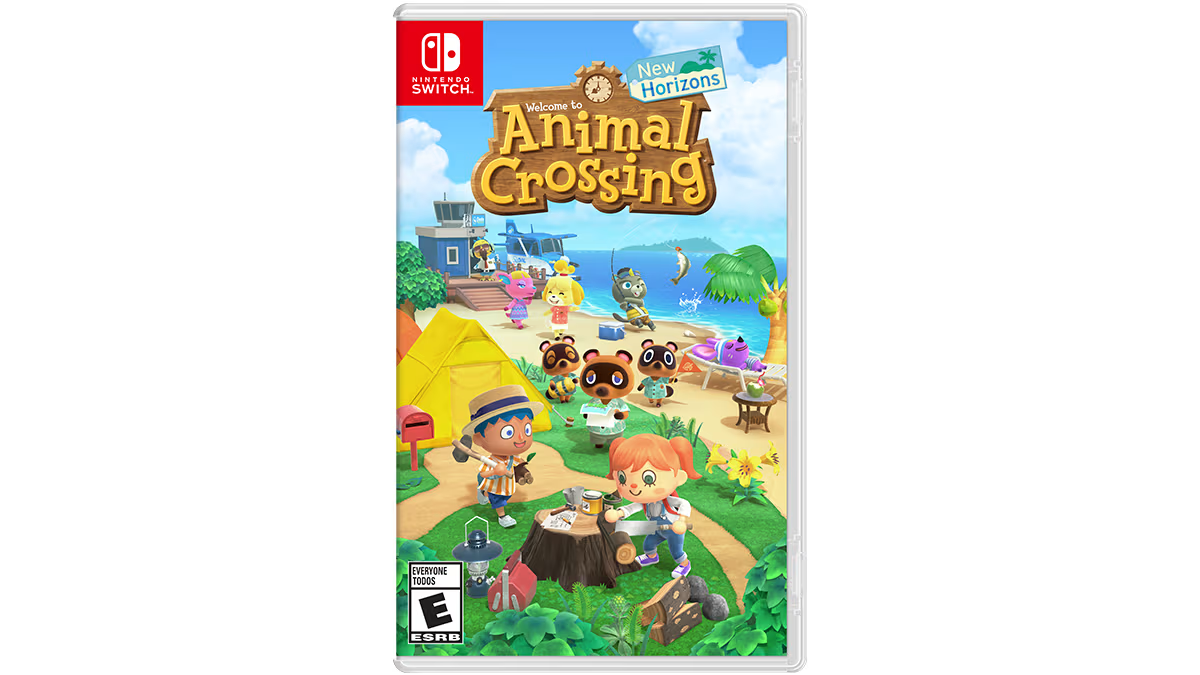
Animal Crossing New Horizons Beginner Guide: Island, Crafting & Progression
Animal Crossing New Horizons beginner guide covering island setup, resource gathering, DIY crafting, tools, home progression, storage, museum donations, Mystery Island Tours and steady island development.
Animal Crossing New Horizons Beginner Guide: Island, Crafting & Progression
Animal Crossing New Horizons Beginner Guide: Island, Crafting & Progression
Animal Crossing: New Horizons is designed around creating and gradually improving your own island community. Nintendo's official beginner material emphasizes exploration, gathering resources, DIY crafting, home development and building the island at your own pace.
Explore the Island
Spend time learning:
- Where resources appear.
- Where rivers and cliffs limit movement.
- Where residents live.
- Where you want major buildings and decorations eventually.
Gather Natural Resources
Nintendo specifically identifies resources such as:
- Tree branches.
- Stones.
- Weeds.
- Other island materials.
These feed directly into DIY crafting.
Learn DIY Recipes
Recipes are acquired through normal island activities.
Once learned, gather the required materials and use a workbench to craft tools, furniture and other useful items.
Keep Basic Tools Available
Your normal routine becomes easier when you have the tools needed for:
- Fishing.
- Bug catching.
- Resource gathering.
- Digging.
- Other island activities.
Do Not Spend Every Material Immediately
Natural resources may be needed for:
- Tools.
- Furniture.
- Buildings.
- Island projects.
Keep a useful reserve instead of crafting random items only because the recipe is available.
Home Progression
Nintendo's official guide explains that your starting tent can eventually become a house.
Home progression also opens additional storage space over time.
Use Storage
Once available, home storage helps prevent your pockets and island ground from becoming permanent item dumps.
Store:
- Furniture.
- Materials.
- Seasonal items.
- Items you intend to use later.
Catch Bugs and Fish
Nintendo identifies bug catching and fishing as core island activities.
Different creatures can appear depending on:
- Season.
- Time of day.
Use the Critterpedia
New creatures are added to the Critterpedia.
Use it to track what you have already discovered.
Donate New Finds
Nintendo encourages players to donate new species and fossils to the museum.
Before selling every new creature immediately, check whether it can contribute to your collection.
Build the Island Community
As progression continues, you can contribute:
- Resources.
- Bells.
toward shops, homes and other island improvements.
Bridges and Slopes
Nintendo's official creation guide specifically mentions bridges and slopes as later tools for making island navigation easier.
Use infrastructure to improve movement before worrying about making every corner decorative.
Mystery Island Tours
Nintendo confirms that Dodo Airlines can take you to nearby deserted islands.
These trips can provide opportunities to:
- Gather resources.
- Catch fish and bugs.
- Find fruit or flowers not native to your island.
Grow Crops
Current New Horizons content supports crops including:
- Tomatoes.
- Wheat.
- Sugarcane.
- Potatoes.
- Carrots.
Cooking
DIY cooking lets you use harvested ingredients in recipes.
This gives gardening another practical progression path beyond decoration.
Do Not Rush the Calendar
New Horizons is built around gradual daily and seasonal activity.
Nintendo's official site emphasizes that different times of day and seasons change what happens on your island.
Daily Routine
- Check the island for new activity.
- Gather useful resources.
- Catch new creatures.
- Donate new discoveries where appropriate.
- Complete useful DIY crafting.
- Work toward home or island improvements.
- Store resources you do not currently need.
Common Beginner Mistakes
- Selling every new creature before checking the museum.
- Using all crafting materials immediately.
- Ignoring home storage.
- Focusing only on decoration before improving island access.
- Ignoring seasonal and time-of-day changes.
- Forgetting Mystery Island Tours as a resource option.
Bottom Line
Animal Crossing: New Horizons progression is gradual. Gather resources, learn DIY recipes, improve your home, contribute to the island community and explore daily and seasonal activities. The island becomes easier to manage when crafting, storage, collecting and infrastructure improve together.