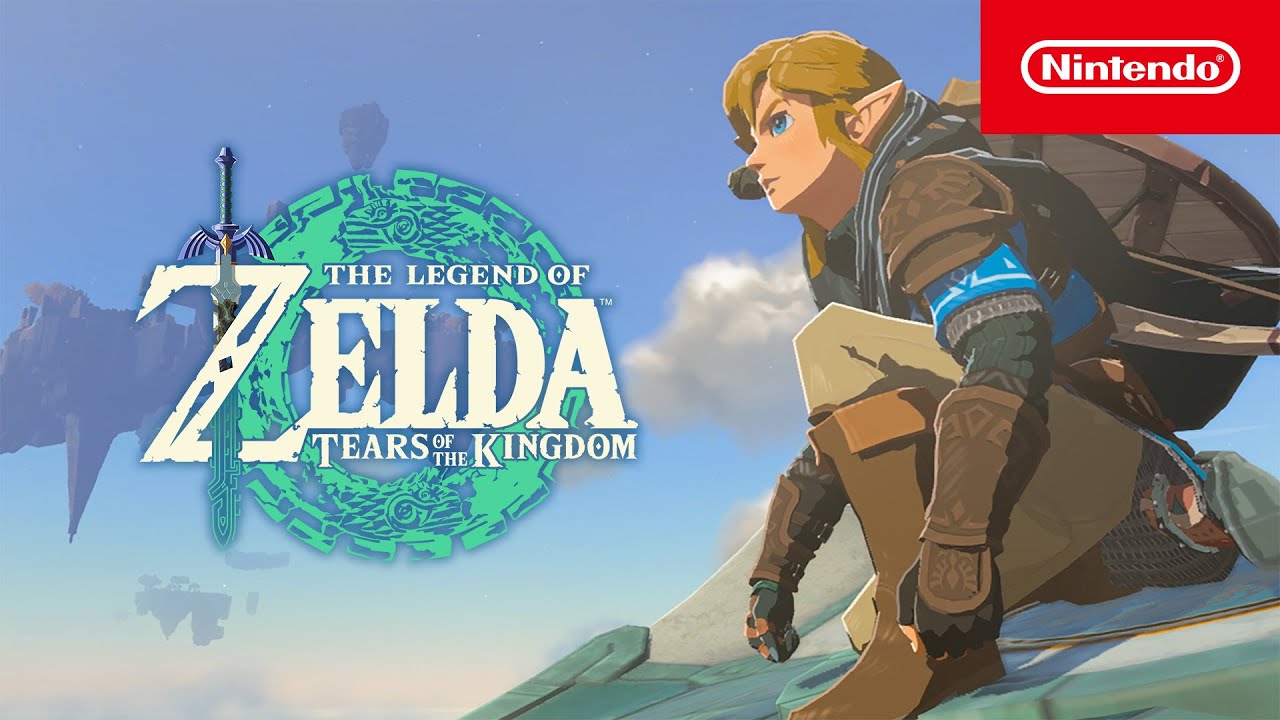
Tears of the Kingdom Exploration: Surface, Sky & Depths Routes
Plan Tears of the Kingdom journeys by linking the three map layers, recording discoveries and preparing for the return trip.
Tears of the Kingdom Exploration: Surface, Sky & Depths Routes
Tears of the Kingdom Exploration: Surface, Sky & Depths Routes
Choose the layer and destination before setting off. A sky-island trip, a surface search and a Depths expedition need different preparation, even when they appear close on the map.
Use a surface objective as an anchor
Start with a town, quest destination or recognizable landmark. Plan nearby discoveries around it instead of crossing Hyrule for every icon. When you return, record what remains inaccessible and which ability or supply you want to bring next time.
Give a sky trip a landing plan
Before leaving an elevated position, inspect where you intend to land and how you will continue afterward. Compare the distance with the movement and equipment you currently have. A reachable first island does not prove that every following gap is manageable.
Prepare separately for the Depths
Use the Depths guide to plan illumination, Lightroot searches and Gloom recovery. Keep that expedition's supplies separate in your planning so a long surface detour does not consume what you meant to take below.
Read discovery clues
Nintendo's advanced tips suggest following a fleeing Blupee toward a nearby cave and using the map's cave completion mark to track a defeated Bubbulfrog. Record the distinction between finding a cave and completing the discovery inside it.
Develop the Purah Pad
The same official guidance recommends continuing Robbie's research, which leads to upgrades including shrine sensing and the Travel Medallion. Revisit that quest line when exploration tools would solve a problem you are repeatedly encountering.
Use the right edition's companion features
ZELDA NOTES navigation is exclusive to the Nintendo Switch 2 Editions of the two games. Players of the original release should use the in-game map and tools rather than assuming that app support is available to them.
End each trip with a short return list: location, obstacle and the next preparation needed. That converts a blocked path into a useful future objective without forcing every discovery into the current journey.